5 Practical Tips to Build Trust with Homecare Clients and Their Families
The better you know someone, the better you can care for them.
That’s one of the greatest advantages of homecare nursing. With consistent, one-on-one care, you have the opportunity to recognize subtle changes, understand your client’s unique needs, and build relationships that make your work more meaningful.
At the heart of those relationships? Trust.
Building trust with homecare patients and their families takes more than clinical expertise. It means listening, respecting their home and independence, communicating openly, and showing them, shift after shift, that they can count on you.
When families feel heard, respected, and confident in your care, you become a partner they can depend on, and gain the satisfaction of making a lasting difference in their lives.
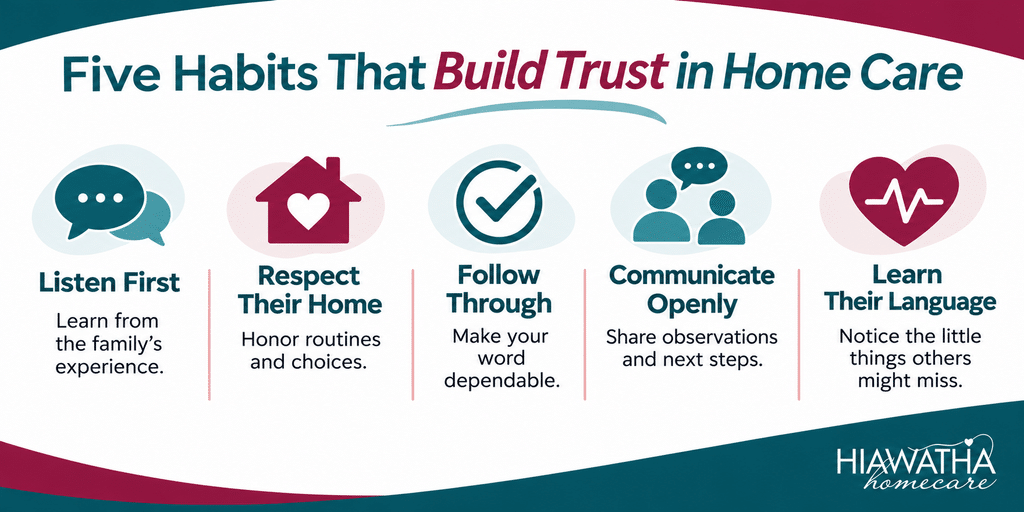
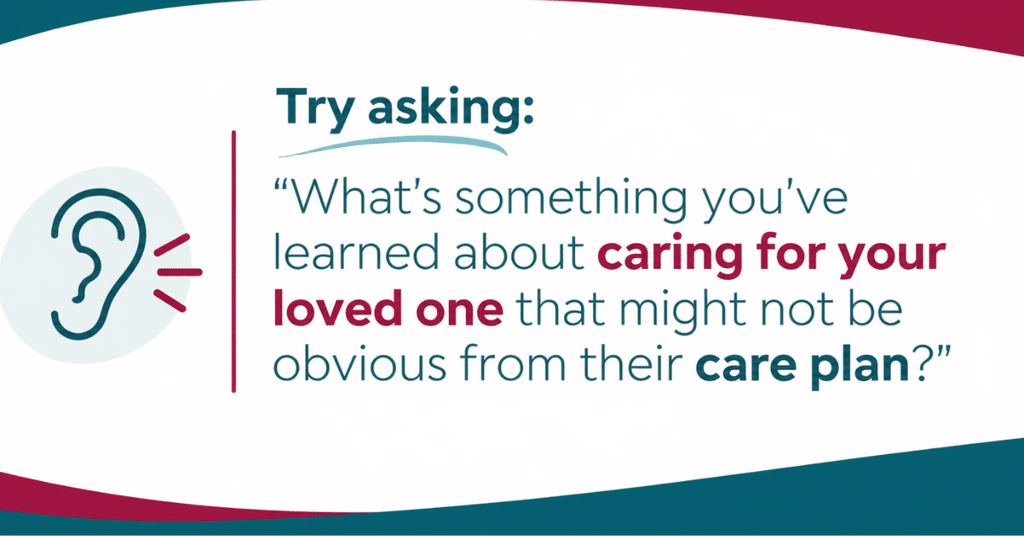
1. Listen to Clients and Families Before Making Assumptions
When you enter a new client’s home, you’re stepping into established routines, preferences, and ways of doing things that the client and family may have spent years developing.
Their firsthand knowledge is one of your most valuable resources. Before suggesting changes or introducing your own approach, take time to understand what works for them and why. Ask questions, listen with curiosity, and include your client in these conversations whenever possible.
For example: You notice that a parent prefers to handle a particular part of their child’s morning routine. Rather than assuming they’re reluctant to give up control, you ask about their approach. They explain that their child becomes distressed when too many changes happen at once.
By listening first, you learn how to make the transition more comfortable while showing the parent that you value their knowledge and experience.
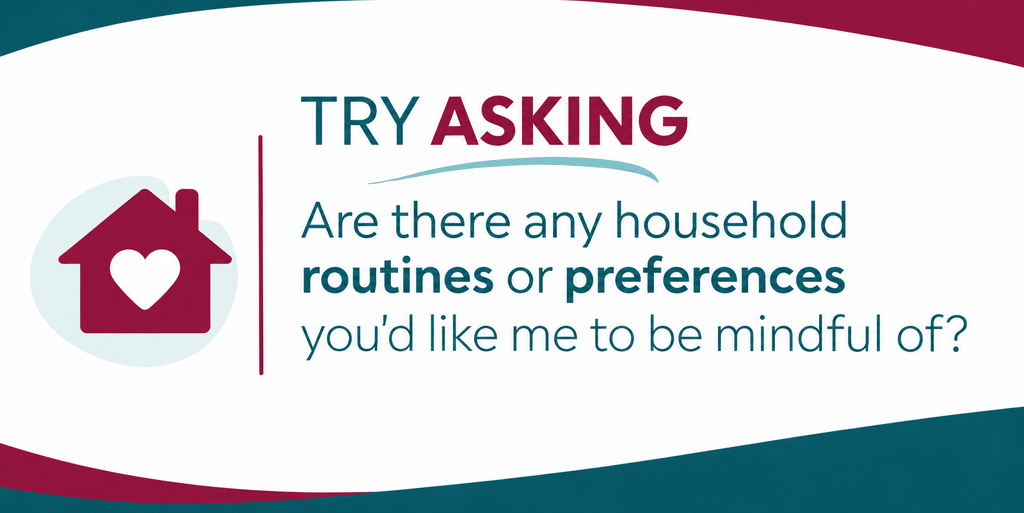
2. Respect Your Client’s Home, Privacy, and Independence
Home is where people should feel most comfortable being themselves. It’s where they relax, spend time with loved ones, and have a sense of privacy and control over their lives.
As a homecare nurse, you’re invited into that personal space to provide essential care. Respecting your client’s dignity, independence, and boundaries is fundamental to patient-centered homecare—and helps them feel comfortable and secure with you in their home.
- Respect their privacy. Knock before entering bedrooms, ask before opening cabinets or handling personal belongings, and give clients privacy whenever possible.
- Ask permission before providing care. Explain what you’re doing and involve your client in the process, even when a task is part of their regular care plan.
- Support independence and choice. Let clients make decisions about their daily lives and care whenever possible, while keeping their safety and medical needs in mind.
- Be mindful of your presence. Respect personal conversations, family time, and the fact that you’re sharing someone’s living space, not working in a traditional clinical setting.
One Hiawatha client’s mother shared that she particularly appreciates how her nurse is always polite to her son and asks permission before doing things like administering medication.
By asking permission and involving the client in his care, the nurse demonstrates respect for his autonomy and helps him feel valued in his own home.
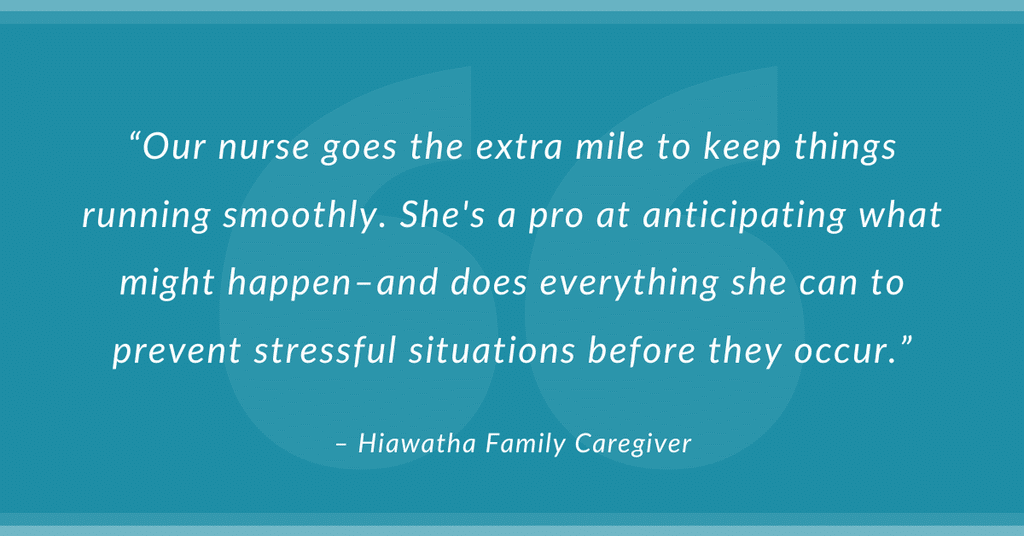
3. Build Trust Through the Little Things
Strong nurse-patient relationships aren’t built through grand gestures. They grow through everyday actions that show clients and families they can depend on you.
A few ways to demonstrate that dependability:
- Show up prepared. Arrive on time, know the care plan, and follow through on your responsibilities.
- Communicate changes early. If something affects your schedule or your client’s care, notify the appropriate people promptly.
- Keep your commitments. If you say you’ll follow up on a question or concern, make sure you do. If you don’t have an answer yet, explain what you’ve done and what comes next.
- Own your mistakes. Be honest when something goes wrong, take appropriate action, and follow agency reporting procedures.
For example, a parent mentions that a medical supply their child uses every day is running low. You agree to follow up with the care team and provide an update without the parent having to remind you. That kind of follow-through shows the family when you say you’ll do something, you mean it.
4. Communicate Clearly and Proactively
When someone you love has complex medical needs, knowing what’s happening with their care—and feeling comfortable asking questions—can bring tremendous peace of mind.
As a homecare nurse, clear communication with patients and families helps everyone stay informed, involved, and working toward the same goals.
A few ways to keep communication open and productive:
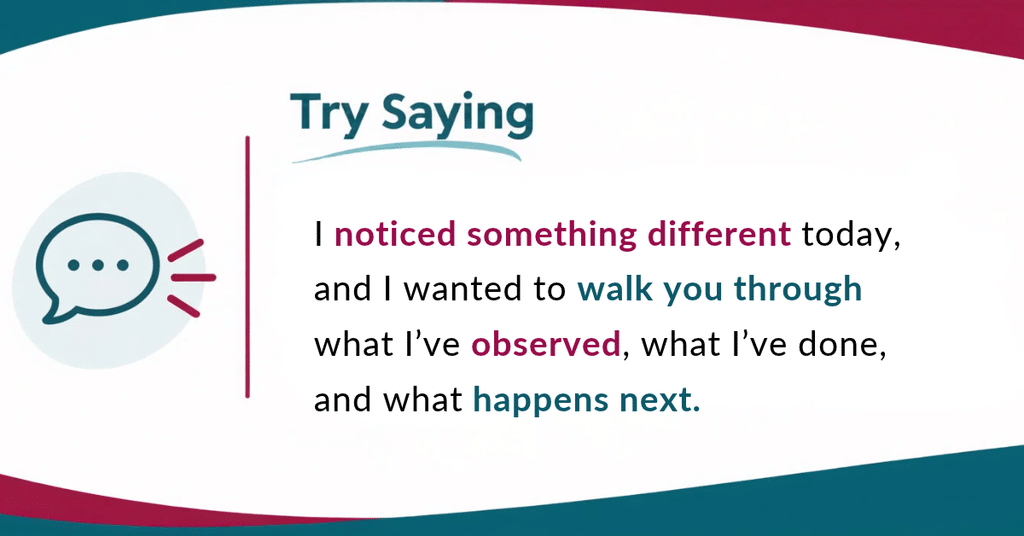
- Be specific with updates. Explain what you’ve observed, what actions you’ve taken, and what the next steps are.
- Explain the “why.” Use everyday language to help clients and families understand care decisions, treatments, and recommendations.
- Welcome questions. Listen openly, acknowledge concerns, and avoid becoming defensive when someone sees things differently.
- Address misunderstandings early. If expectations aren’t aligned or something isn’t working, have a respectful conversation before frustration builds.
For example: You notice your client seems more tired than usual during a shift. After assessing the change and taking appropriate action according to their care plan, you update the family rather than waiting for them to ask. This helps the family stay aware, and trust you’ll keep them in the loop.
5. Get to Know Your Client’s Unique Language
A slight change in expression. An unusual movement. A different response to a familiar activity. These cues can help you understand how your client is feeling, especially when they have difficulty communicating verbally.
Here’s how to develop that deeper understanding:
- Learn their communication cues. Notice how your client expresses comfort, discomfort, excitement, frustration, or distress through words, gestures, expressions, or behaviors.
- Get familiar with their baseline. Learn what’s typical for your client so you can better recognize changes.
- Ask the family what they’ve noticed. Find out which cues they associate with particular needs or feelings and how they typically respond.
- Look for patterns over time. Notice when certain behaviors occur, what might trigger them, and what helps your client feel more comfortable, without assuming a behavior always means the same thing.

How to Maintain Professional Boundaries in Homecare Nursing
Close relationships are one of the most rewarding parts of homecare nursing. Over time, you may become a familiar, trusted presence in your client’s home and family life.
But caring deeply doesn’t mean taking on every responsibility. Healthy professional boundaries help protect the trust you’ve built, keep relationships respectful, and make them sustainable for everyone involved.
Here are three situations you may encounter and how to navigate them.
1. When Families Ask for More Than Your Role Includes
When you care about a family, it’s natural to want to help. You may be asked to stay late, pick up an extra shift, or take on a task outside your usual responsibilities.
Going the extra mile is great when you’re comfortable doing so and it’s within agency policies. But today’s exception can become tomorrow’s expectation, so before agreeing, ask yourself:
- Is this within my responsibilities and agency policies?
- Do I have the time and capacity?
- Could this create an ongoing expectation?
If you agree to a request, communicate any limits and coordinate with your agency as needed. You might say: “I can stay an extra hour today if it’s approved, but I won’t always be available for last-minute changes.”
If a request falls outside your role or capacity, involve your care team in finding another solution. Being dependable doesn’t mean being available for everything.
2. When Professional and Personal Relationships Begin to Overlap
A personal connection can sometimes bring requests beyond your nursing role, such as relationship advice, taking sides in disagreements, or becoming someone’s private ally in a family conflict.
You can listen with compassion without taking responsibility for solving personal problems. Try saying: “That sounds really difficult. I can listen, but I’m not the right person to advise you on that.”
When a boundary feels unclear, ask yourself:
- Is this appropriate to my role?
- Am I keeping my client’s needs at the center?
- Could this create expectations of secrecy, special treatment, or personal availability?
- Would I feel comfortable discussing this interaction with my supervisor?
Keep your own personal sharing appropriate, too, and follow agency policies on gifts, social media, and contact outside scheduled hours. When you’re unsure, talk the situation through with your case manager.
3. When You’re Emotionally Invested in a Client’s Well-Being
In homecare, a client’s victories can feel like your own—and their challenges can stay with you after a shift. Caring deeply is part of the connection, but it doesn’t mean every outcome is yours to carry.
Focus on what’s within your role: document observations, communicate concerns, and clarify next steps with the care team. Then give yourself permission to step away, whether that means taking a walk or listening to music on your drive home.
If a difficult shift continues to weigh on you, reach out to your case manager or nursing leadership. One-on-one care shouldn’t mean carrying the emotional weight alone.
FAQ: Building Trust in Homecare Nursing
How long does it take to build trust with a homecare client?
There’s no set timeline. Some clients and families feel comfortable with a new nurse relatively quickly, while others need more time.
Trust grows through consistent, dependable care, respectful communication, and a willingness to learn each client’s needs and preferences. Every shift offers another opportunity to strengthen that relationship.
What should a homecare nurse do when a family doesn’t trust them yet?
Start by listening. Ask about the family’s concerns, previous experiences with care, and what would help them feel more comfortable.
Avoid becoming defensive or trying to rush the relationship. Instead, focus on clear communication, following through on commitments, and demonstrating respect for their knowledge and preferences.
If concerns continue or expectations remain unclear, involve your case manager or nursing leadership to help find a solution.
The Relationships That Make Homecare Nursing So Rewarding
That journey from a new face to a trusted part of someone’s life doesn’t happen overnight. It’s built through the small things you do consistently, every time you show up for a shift.
And this is one of the greatest rewards of homecare nursing: knowing your client so well that you can provide better, more personalized care, and seeing firsthand the difference you make in their life.
At Hiawatha Homecare, we’re proud to support nurses in building lasting relationships with homecare clients through meaningful, one-on-one care, flexible scheduling, and a team that values their expertise.
Ready to experience the rewards of homecare nursing?
Explore Nursing Careers at Hiawatha Homecare
Written by Hiawatha Homecare | Reviewed by Kari Kuhlman, RN, BSN, MHS-FIN, Administrator | November 2026